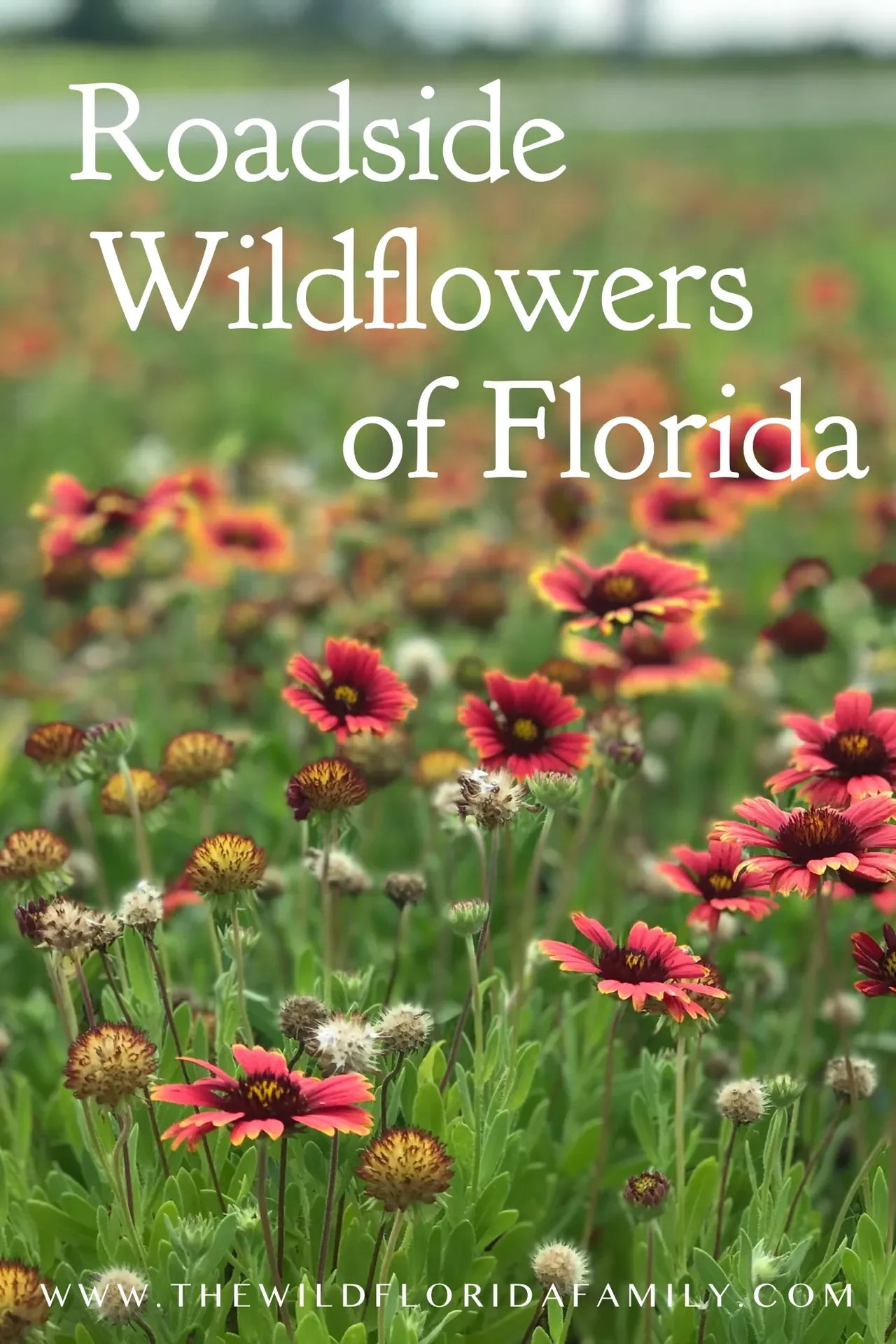
Roadside Wildflowers of Florida
Wildflowers and Wild Gardens
Springtime has been in full effect for a couple of months now and if you get out and about anywhere away from the crowded cities and theme parks of Florida, you may have been wondering:
What are those beautiful flowers by the side of the road?!
If you haven't been wondering, then you may be part of the majority of Floridians who haven't left their hyper-developed comfort zones in a long, long time. (Too long.)
Many people don’t think of Florida as being a place for wildflowers but, before there was so much development here, wildflowers reigned in many of the open prairies, wet and dry, as well as in the flatwoods forests, and on the sand dunes.
Wild flowers were everywhere!
In fact, that's where we got our name. "La Florida", as we were named by the Spanish explorer, Juan Ponce de Leon, literally means "flowery", or land "covered in flowers." And if you’re lucky enough to get out of town a ways, stunning wild blooms still wow in many rural areas and on the sides of country roads.
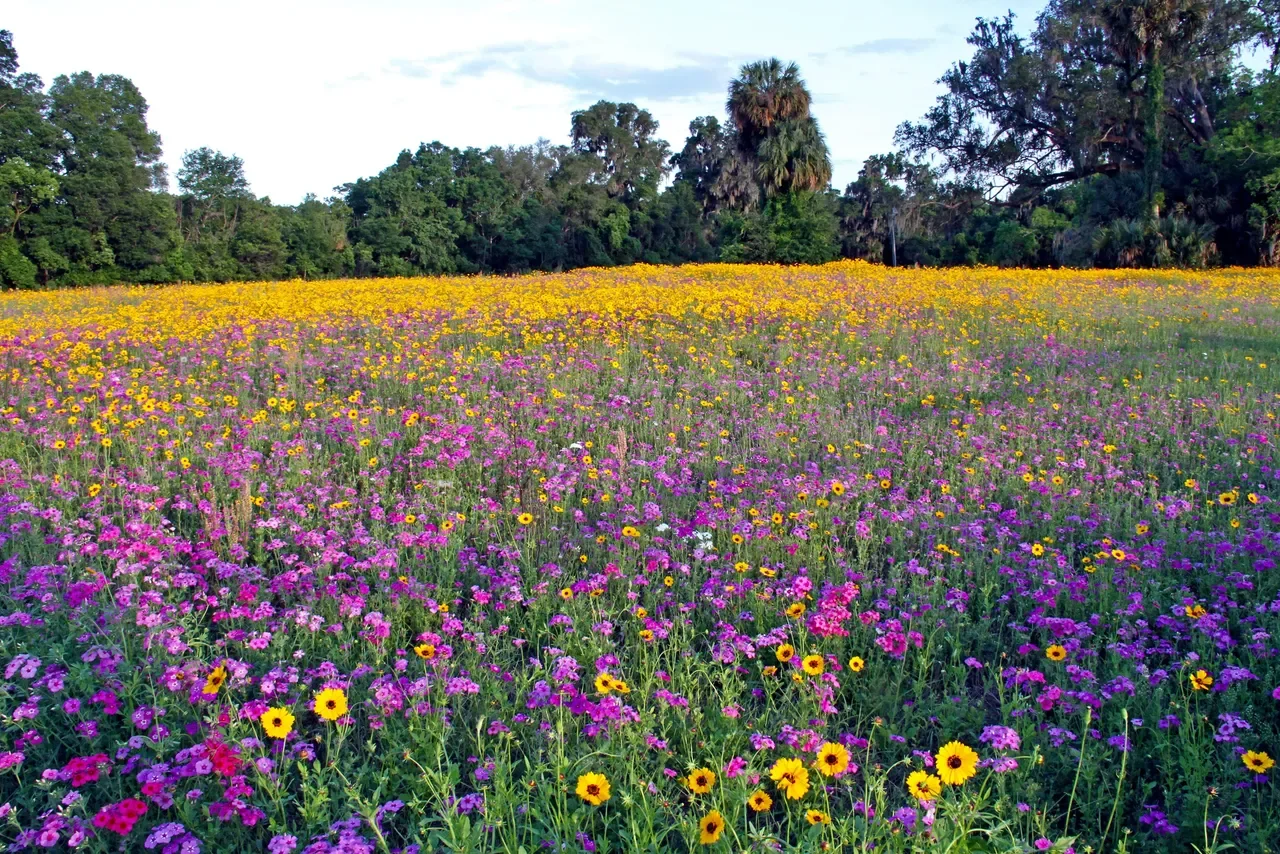
You may even see them in the medians of some of our larger highways, thanks to the efforts of the Florida Wildflower Foundation, in conjunction with the FDOT.
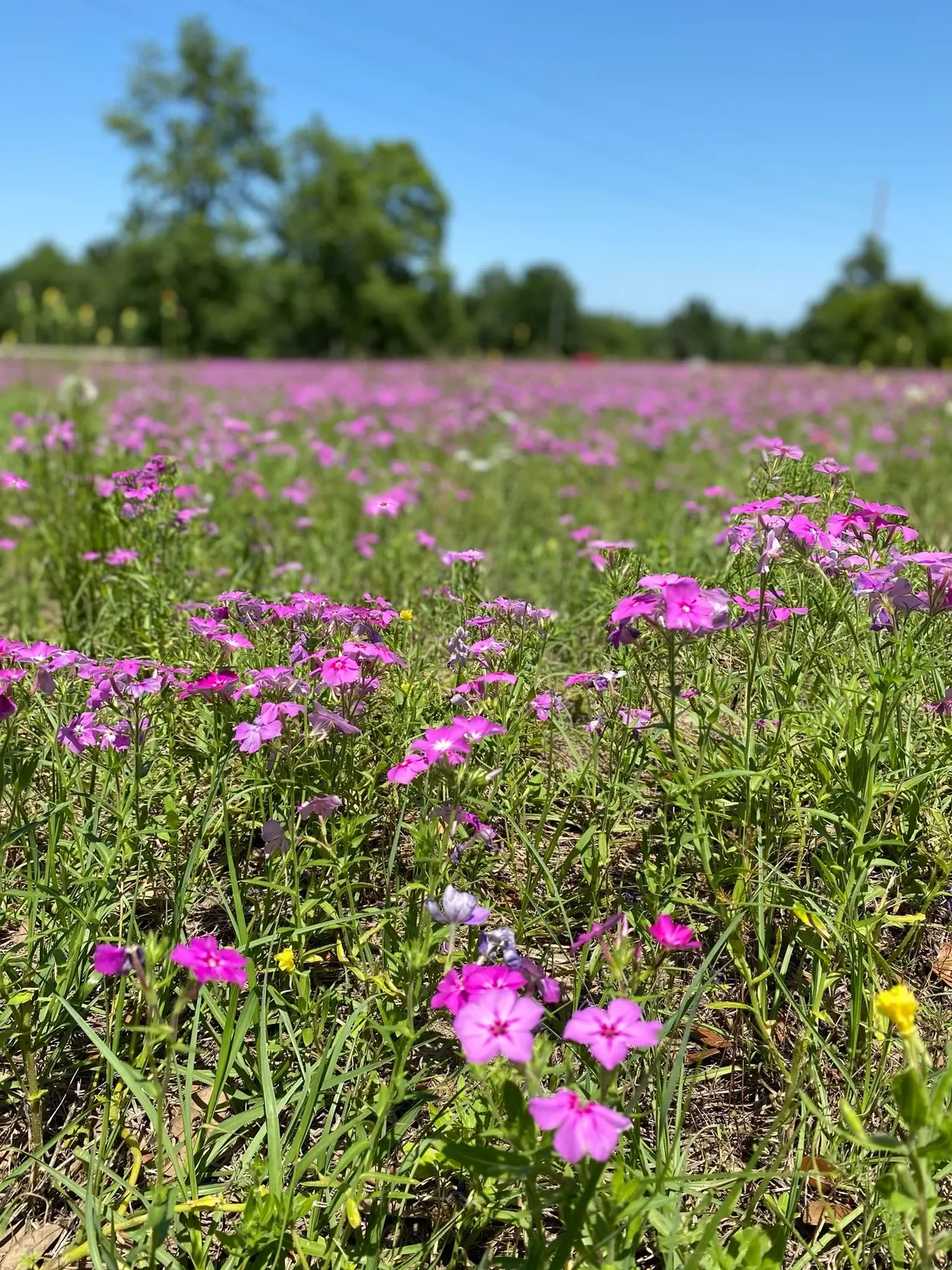
Roadside Phlox on the side of SR 44 in Sorrento, FL.
As people begin to understand the importance that unmowed areas play in the ecosystem, more and more counties are allowing their roadsides to grow up into wildflower micro-prairies.
These roadside prairies are critical habitats and food sources for many types of beneficial pollinators, including honeybees, dozens of Florida native bees, butterflies, moths, and dragonflies. Plus, they are beautiful to look at! Way better than dry, purposeless, mowed grass on the side of the highway.
Because many of our state parks and other public wild lands are located in areas away from major cities, traveling to visit them will often bring you through roadside wildflower hotspots.
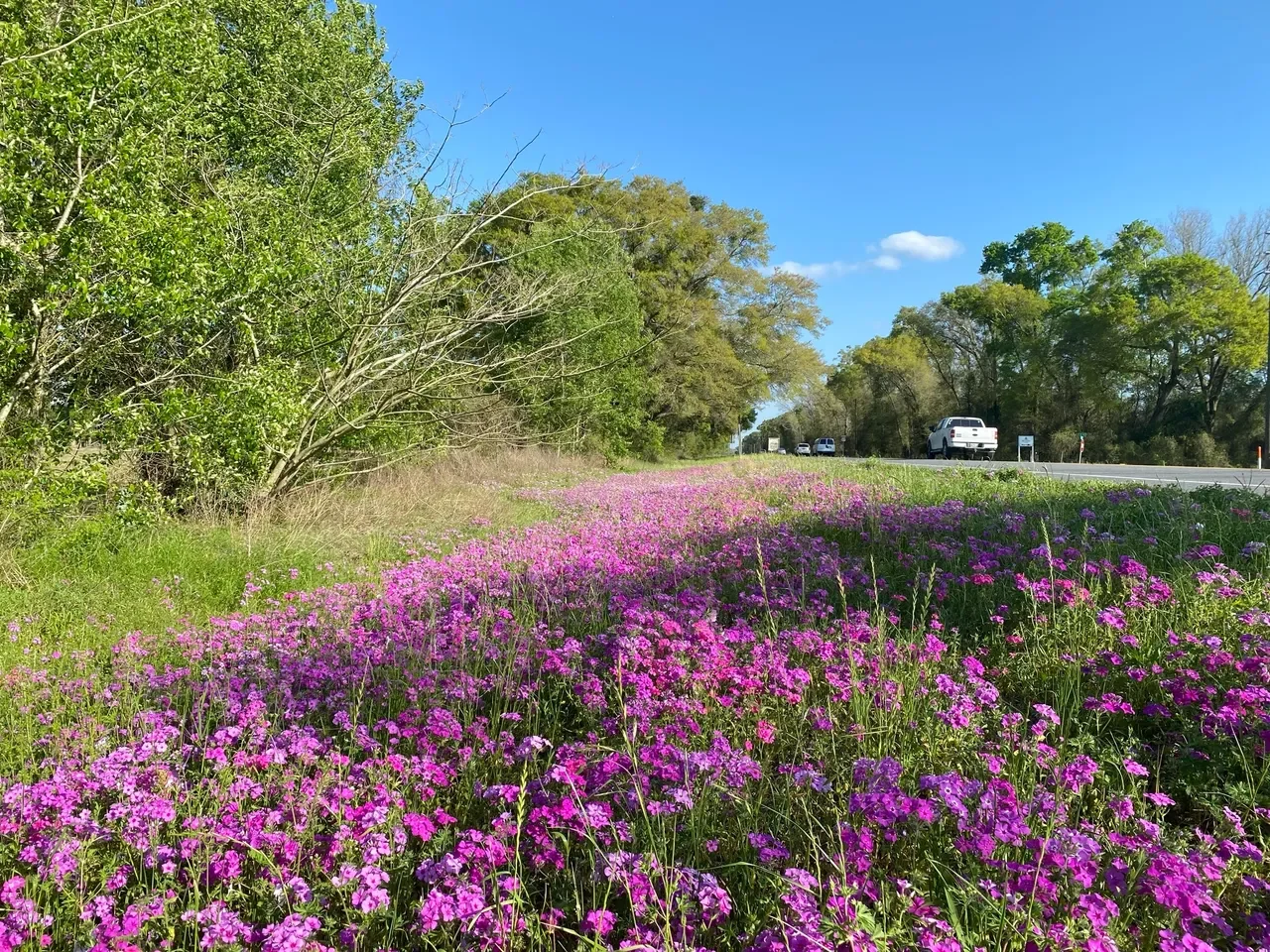
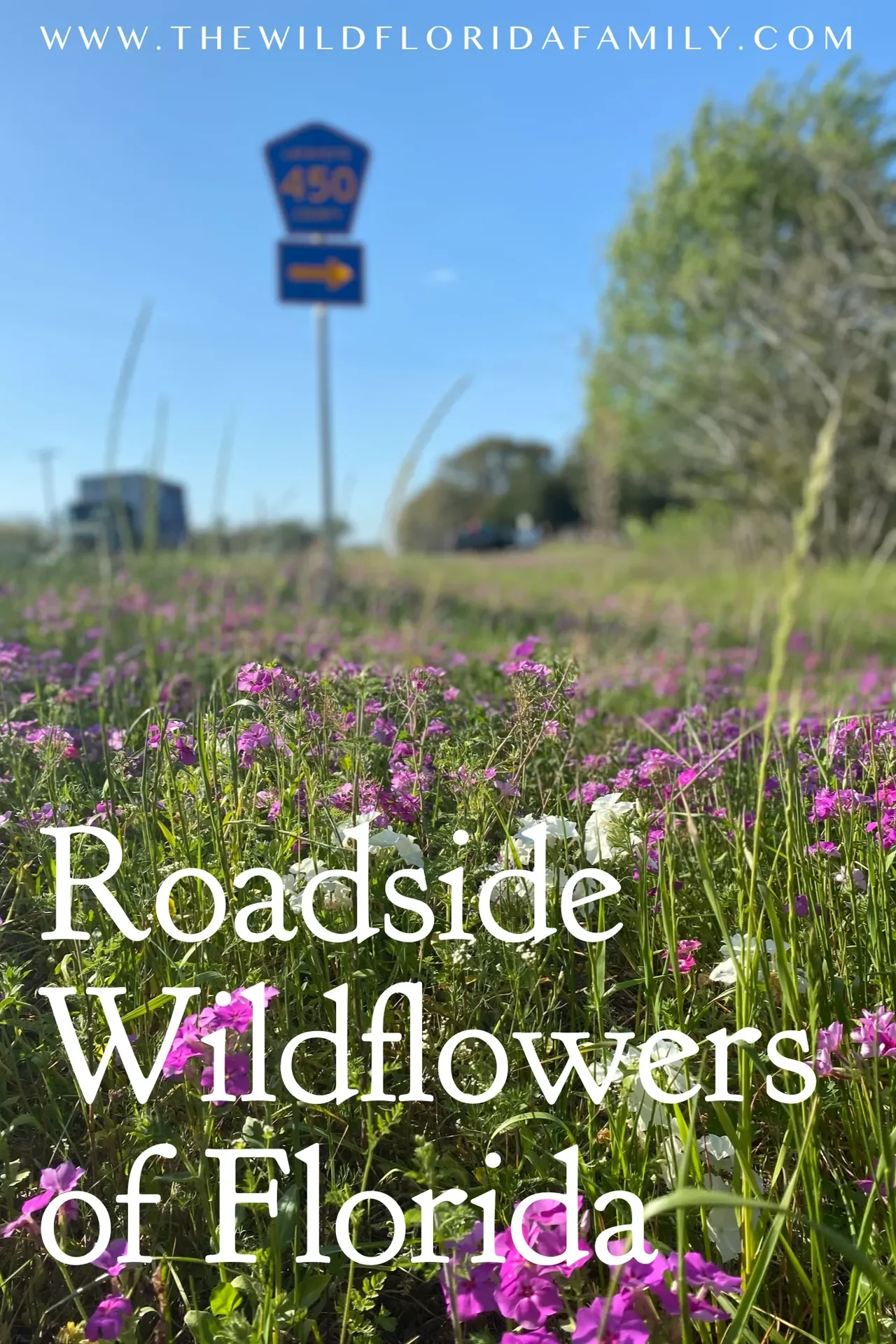
Roadside Phlox on the side of CR 450 in Suwannee County, FL
On our last visit to the Suwannee River Basin parks and springs we enjoyed miles upon miles of unmowed roadsides.
If you’re in the central Florida area, a drive up toward Ocala along FL-46A, to FL-44, to CR-439 will take your breath away, starting in early March with massive swaths of pink phlox draped elegantly on the hills and dips next to the road.
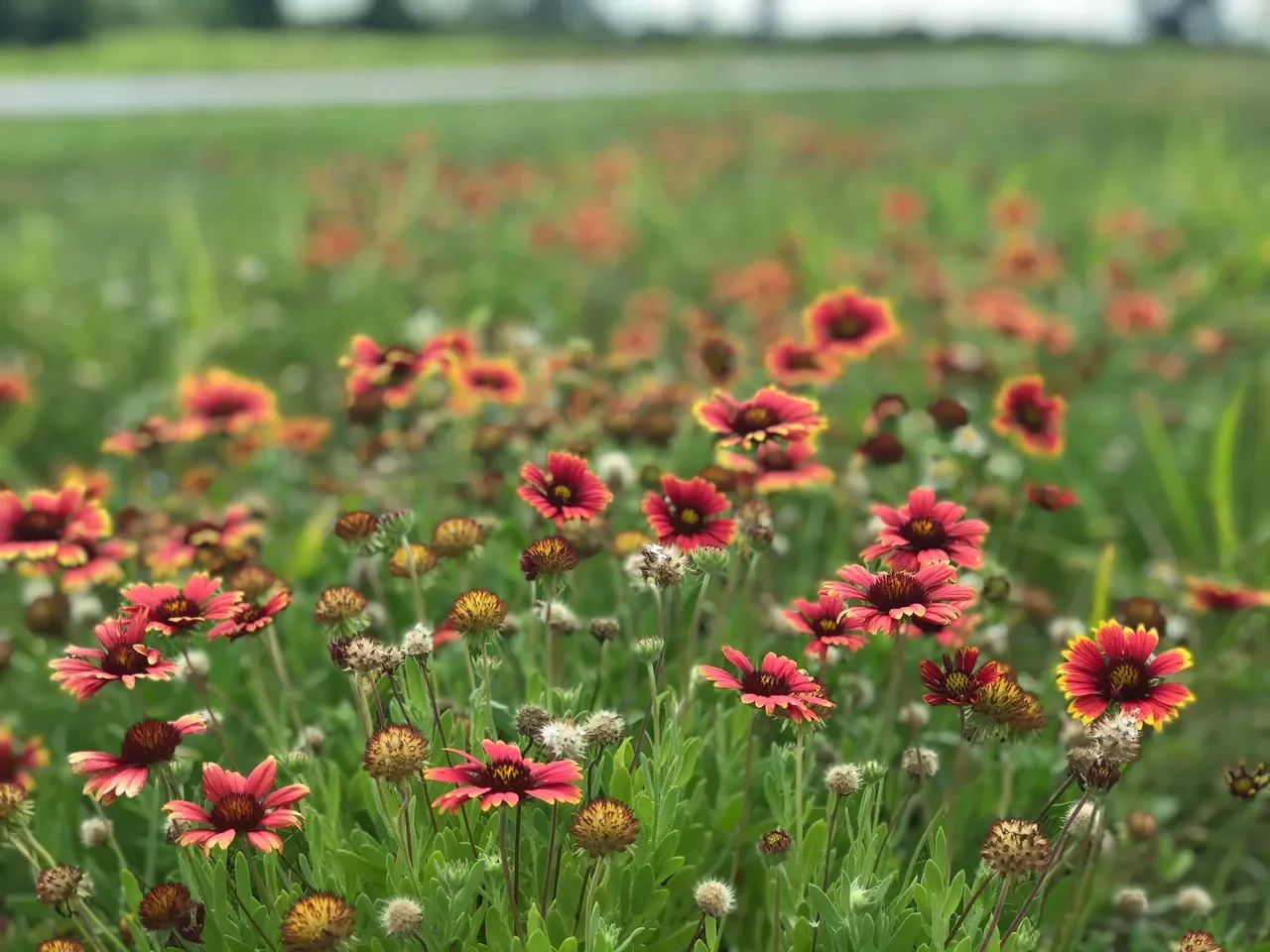
Blanketflower (Gaillardia pulchella) on the side of the road in Merritt Island, FL
A visit to Merritt Island will wow you with carpets of blanketflower and dune sunflower as you drive on Courtenay Parkway north from Max Brewer Memorial Parkway to Haulover canal. It is 100% worth a drive to go see them.
If you're not sure where to go to find wildflowers near you, check out the Florida Wildflower Foundation's Bloom Routes! There are printable maps with routes shown for 14 counties as well as a brochure just for the panhandle. The Florida Wildflower Foundation website is incredible. It offers so many wonderful resources, including downloadable field guides for flower identification, an educational blog about what wildflowers are currently in bloom, and loads more.
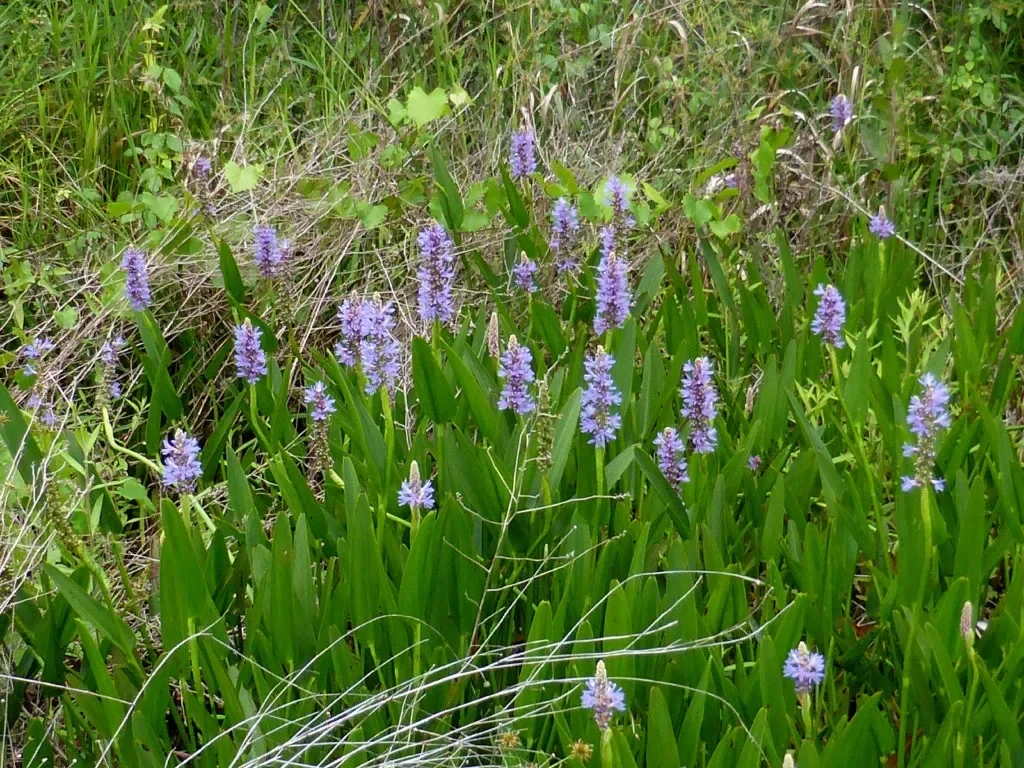
Pickerelweed (Pontederia cordata). Photo by Eleanor Dietrich.
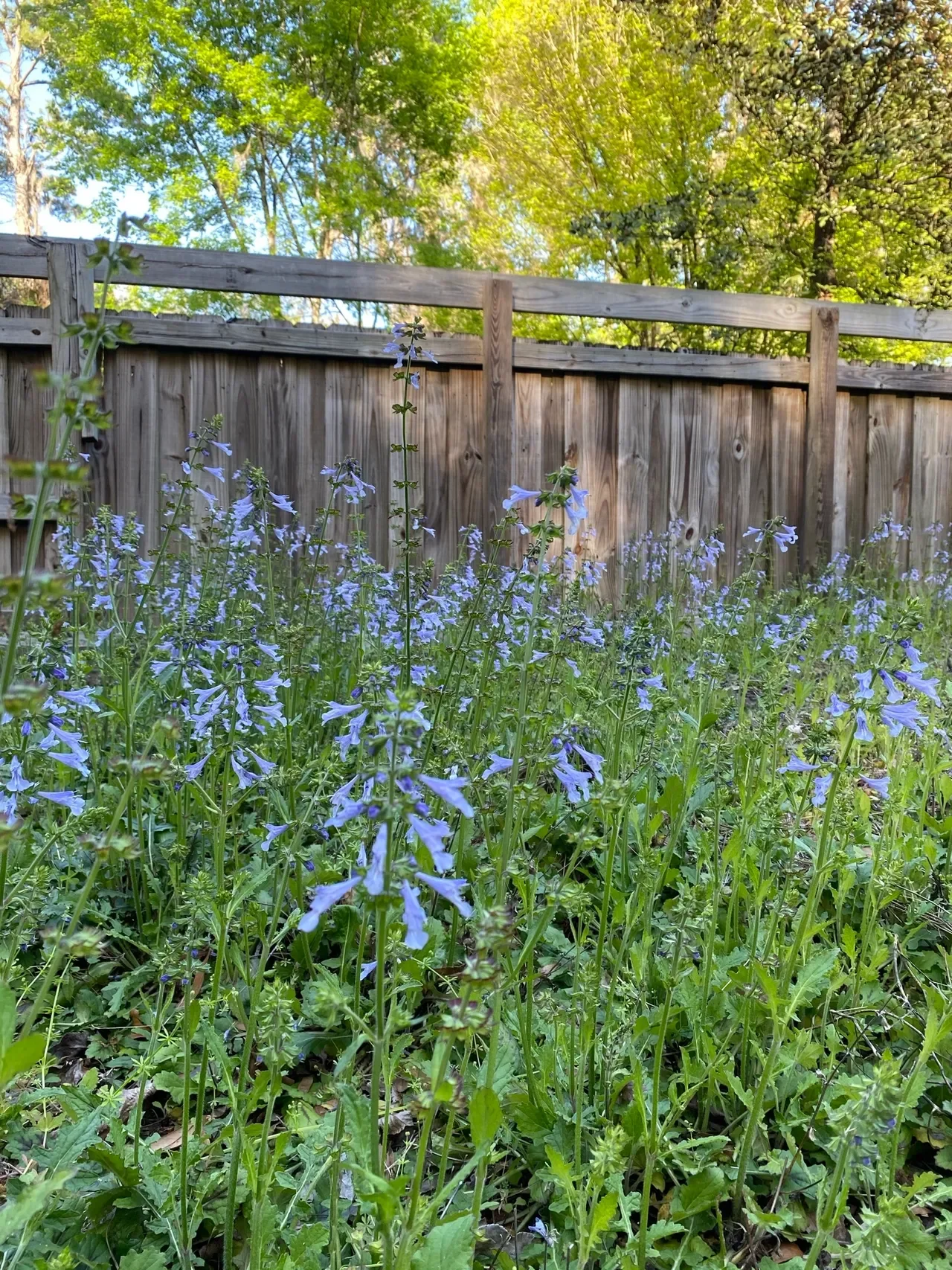
Springtime brings a whole host of flowers all across this beautiful state, many of which will bloom all through the summer, ushering in new wildflowers in the fall. Some of the showstoppers you’ll recognize on back roads from Central Florida north into the panhandle are Roadside Phlox (Phlox drummondii, non-native but naturalized) in sunny, dry areas, native Pickerelweed (Pontederia cordata) in lowlying wet areas, and native Lyreleaf Sage (Salvia lyrata) and Spiderwort (Tradescantia ohiensis) in areas with dappled shade.
Make it stand out
Whatever it is, the way you tell your story online can make all the difference.
As the spring moves closer to summer, you'll see more and more flowers every time you look for them. You'll no doubt see native Spanish Needle (biddens alba) everywhere (pretty much year round, actually). It's an absolute favorite for native, foraging bees, and will bloom more profusely and last longer in the season than many other flowers. (It also happens to be edible!) Blanketflower (gaillardia - non-native but naturalized) will be blooming both inland and near the coast in hot, dry, nutrient poor sand all over the state. And of course, our Florida state wildflower, Tickseed (Coreopsis), and all of it's many variations will be in bloom from east coast to west, panhandle down to the southern tip in sunny, hot, open areas. These beauties, among many others will provide sweeping blankets of color wherever they're allowed to take over.
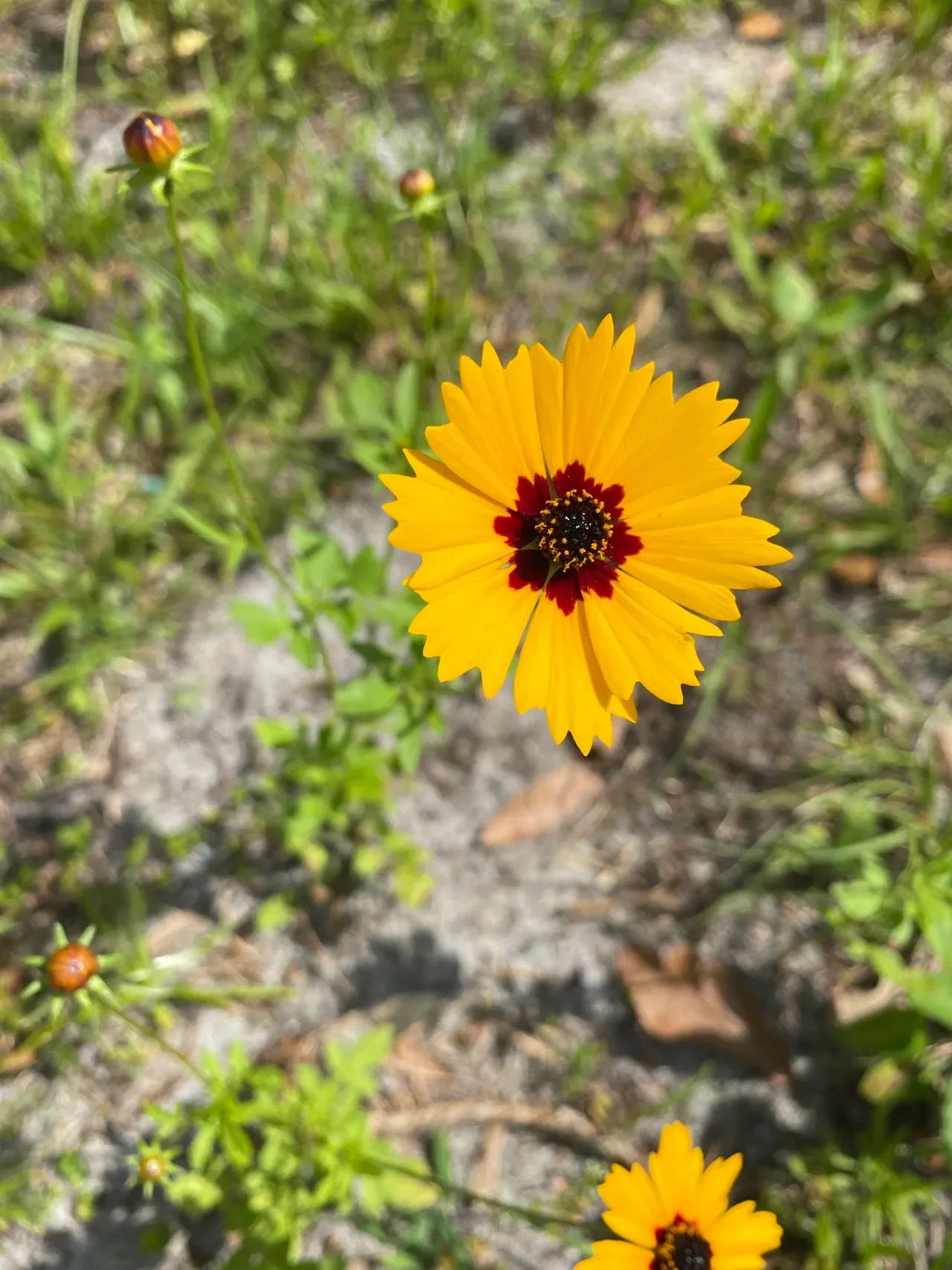
Native Florida Coreopsis in Seminole County, FL
If you’d like to see your county road sown with wildflower seeds, contact your University of Florida county IFAS extension office, or contact the Florida Wildflower Foundationdirectly for the steps to establish and protect wildflowers on roadsides near you.
The Florida Wildflower Foundationalso provides grants to schools and municipalities who want to introduce and protect wildflowers in their landscapes through the Viva Florida and Seedlings for Schoolsprograms.
They're so pretty, you'll probably want them in your yard, too.
You may want to consider learning about the benefits of a no-mow garden instead of a lawn. With a little research and some help from the Florida Wildflower Foundation, or even your local chapter of the Florida Native Plant Society, you can replace your existing lawn with a micro prairie, full of Florida native and/or naturalized wildflowers. You will literally watch your garden come to LIFE, with birds, butterflies, and other beneficial insects coming in by the dozens. What's cooler than having a beautiful living garden AND knowing that you are doing something beneficial for the state we love and call home? We're in the second year of converting our once turf-grass filled backyard to a native pollinator-friendly habitat, full of wildflowers, and we are loving every minute of it.
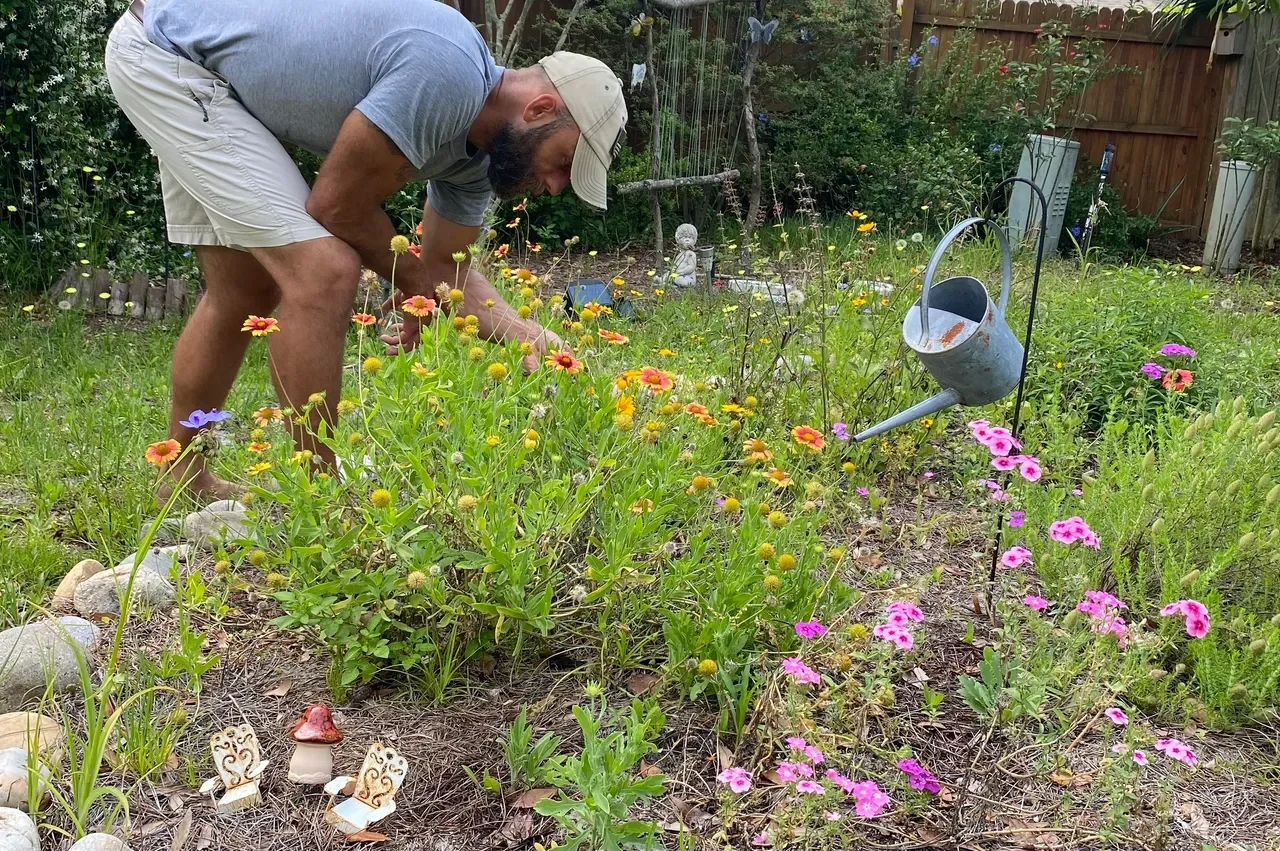
Daniel inspecting new blooms in our backyard wildflower prairie.
Keep in mind that if these flowers can flourish and thrive in the unirrigated sand on the side of a sun-baked road, they can survive in your yard with no supplemental water or soil amendment. Yes, you read that right. No supplemental water OR soil amendment. Here in Florida!
The sustainability of it all is thrilling! Isn't it??
We're talking serious money-saving, earth friendly landscaping here. And because these beauties reseed themselves each season, there's no need to buy new plants each year. Your wildflowers will come and go with the seasons, each season bringing something new and different and beautiful to your yard. And it's a lovely thing to get the kids involved with, too. What's more fun at home than exploring a living garden?
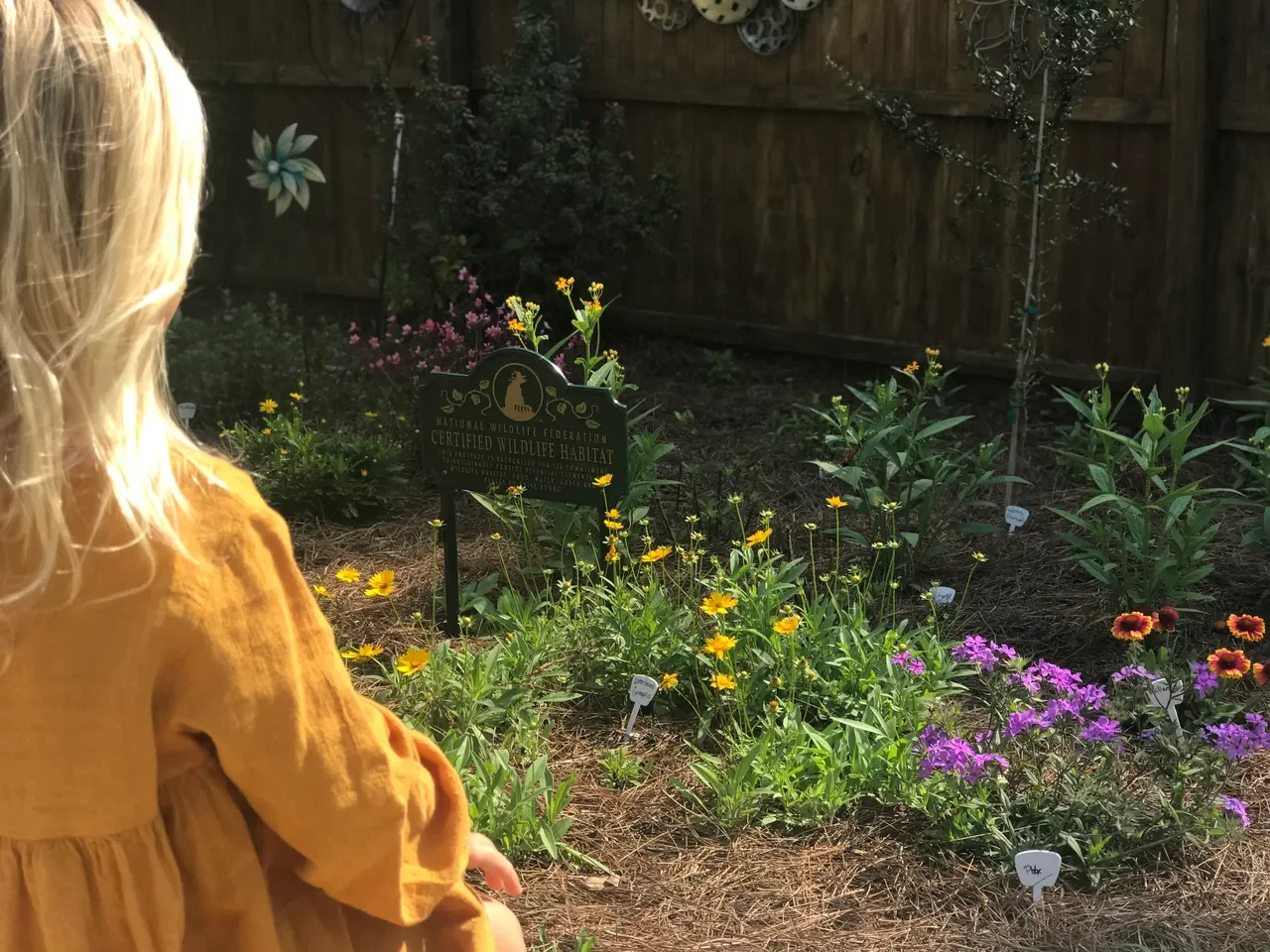
Our sweet girl looking over our butterfly garden last year after we added our NWF Certified Wildlife Habitat sign.
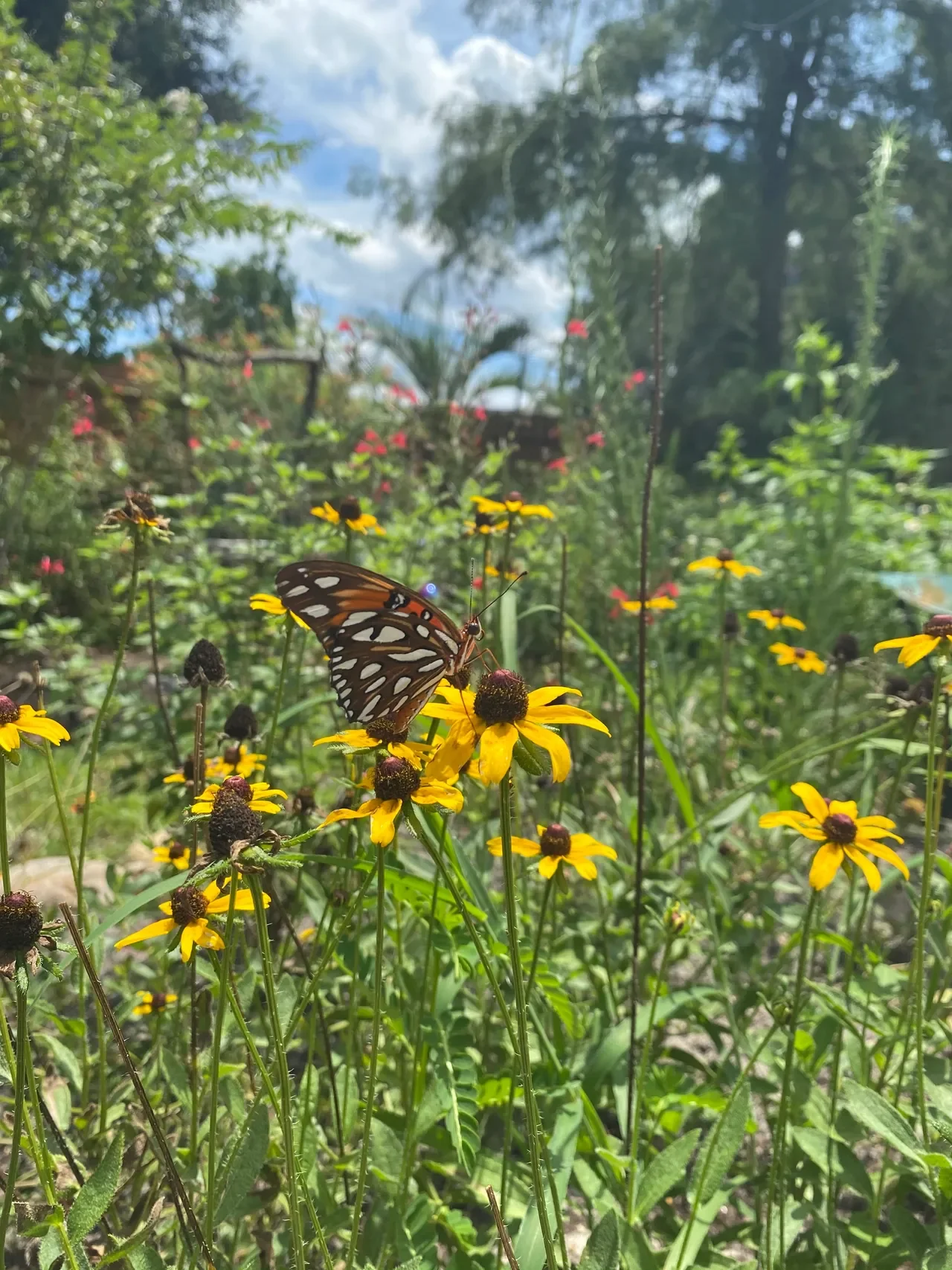
A Gulf Fritillary butterfly on native Black-eyed Susan in our micro-prairie.
For those of you further south than central Florida, we've not been down there this season to see what you have blooming on your roadsides yet. Leave a comment below and tell us about some of your favorites! Have a great week, friends. Hope you have a chance to get out and find something wild to appreciate in your neck of Florida.